
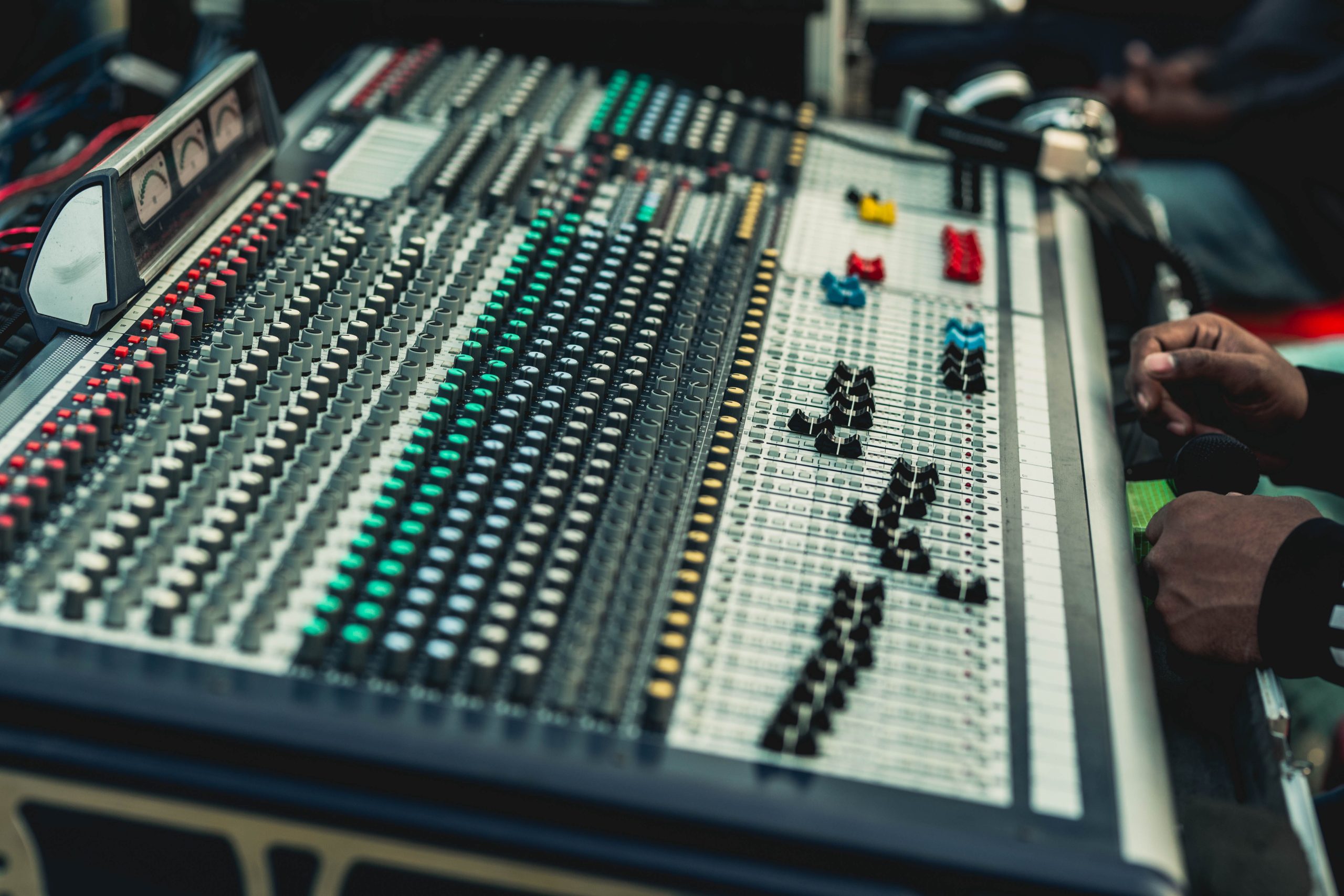
Turn off the sound on a horror film or a racing game and notice how quickly the experience falls flat. The picture may be sharp and the story intact, yet something essential is missing. Soundtracks and audio effects do much of the emotional work in digital entertainment, often without the audience noticing. They tell us how to feel, where to look and when to hold our breath.
Music Sets the Emotional Tone

A melody can change the meaning of a scene. A slow, low cello line can make an empty hallway feel threatening, while a bright major-key theme can turn an ordinary journey into something hopeful. Composers working on films, series and games understand that music often carries feeling more directly than dialogue does. Viewers may forget the exact plot points of a story, but they tend to remember how a moment made them feel, and that memory is frequently anchored to the music playing underneath it.
Soundtracks also help audiences recognise a story’s identity. A recurring theme can signal a character’s arrival, hint at a change in loyalties or bring back a memory without a single line of exposition. This kind of musical shorthand is one reason memorable scores tend to outlive the productions they accompany.
Audio Effects Make Digital Worlds Believable

Sound effects are the texture of a digital world. Footsteps that change with the surface underfoot, the metallic click of a reloaded weapon and the distant hum of a city all reinforce the sense that the environment is real. In games, audio is also a practical tool. Players rely on directional cues to judge where an enemy is standing or whether a door has just opened behind them. A well-designed sound mix can give a player an advantage that no visual cue could deliver as quickly.
This work has a long history behind it. Many of the everyday sounds in film, from creaking doors to rustling clothing, are created by Foley artists who record and perform them in the studio. Their craft shows that realism often comes from carefully constructed sound rather than from recording the real thing.
Platforms that sell entertainment online have also started to pay attention to how sound contributes to the overall experience. When reviewers compare game lobbies, live tables or streaming features, they increasingly mention audio quality as part of the verdict. If you want to see how review sites assess these presentation details, the comparison site Crazyvegas is one place to look, and you can visit crazyvegas.com to explore its reviews and comparisons.
Scores and Sound Design in Film and Games
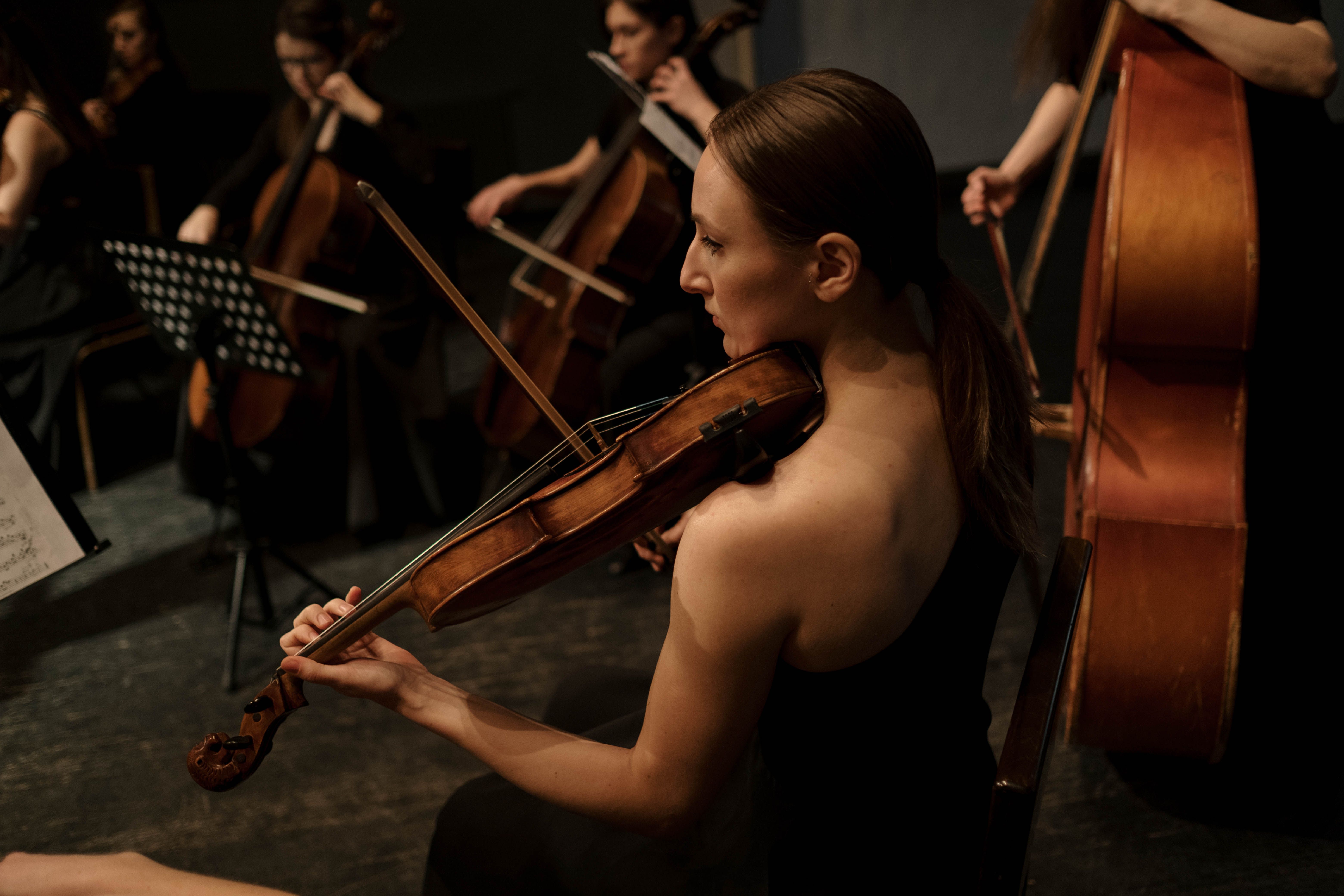
Film has relied on orchestral scoring for decades, and many modern blockbusters still use full orchestras for their most important sequences. Video games have taken a similar path. Interactive music is more complicated than a linear film score, because it has to respond to player choices. Developers use layered tracks, transitions and adaptive systems so that the music can intensify during a battle and settle back down when the danger passes. For a broader overview of how game soundtracks evolved into this adaptive approach, the entry on video game music is a useful starting point.
Sound design and music also work together. A quiet passage can make a single footstep feel loud and tense, while a sudden silence before a jump scare can be more effective than any loud noise. Good audio teams plan these moments as carefully as the visual composition of a shot.
Why Audio Deserves More Attention
Audio is often the first thing that disappears when budgets tighten and the last thing audiences consciously praise. That is a shame, because sound is one of the most efficient ways to shape an experience. Creators who invest in strong soundtracks and thoughtful effects tend to produce work that feels more polished, more immersive and more memorable.
For audiences, the practical lesson is simple. Next time you watch a film or play a game, try listening for the layers: the melody, the ambient background, the small mechanical sounds and the moments of silence. Once you start noticing them, you will understand how much of your enjoyment comes from what you hear rather than only what you see.