

Ten years ago, playing a game usually meant sitting down at a console or a computer. Today, a quick round of a puzzle game while waiting for a train, a match with friends during a lunch break, or a session of an augmented reality game in the park is considered perfectly ordinary. Interactive entertainment has quietly folded itself into the rhythm of daily screen time, and it did so through a series of small technical shifts rather than one dramatic breakthrough.
From Handheld Gadgets to Pocket Computers
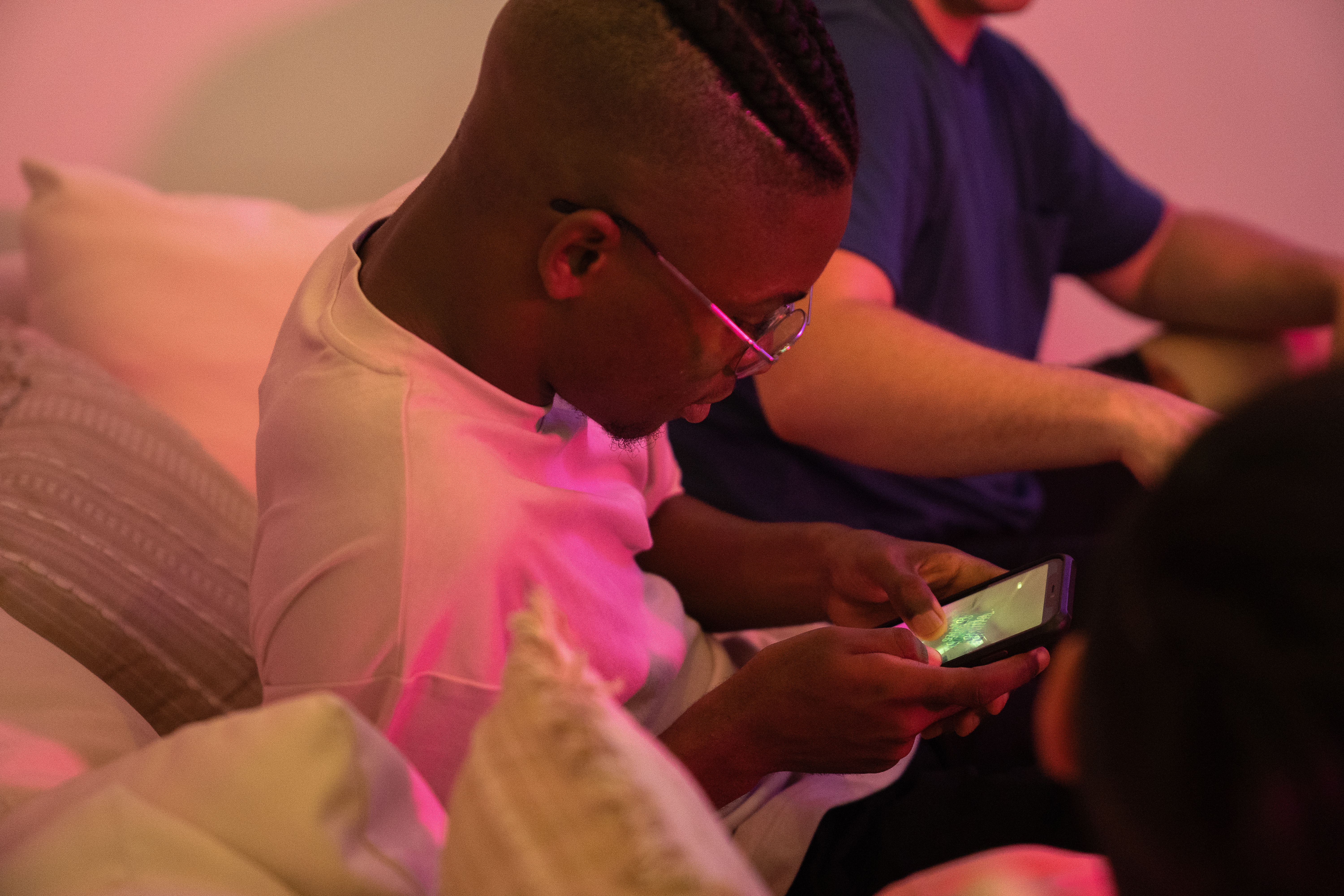
The roots of this shift go back further than most people expect. Early handheld electronic games from the late 1970s, along with dedicated devices like Nintendo’s Game & Watch series and the Game Boy, showed that play could be portable. Those devices were built for games, however, and they lived in backpacks and bedrooms. Mobile phones took a different path. Their designers prioritised calls and text messages, so games had to fit around the phone’s primary purpose.
The first mass-market example was a simple version of the arcade classic Snake, which shipped preinstalled on Nokia handsets in the late 1990s. It was crude by modern standards, but it taught millions of people that a phone could be a place to play. Once the phone became a general-purpose computer, the idea scaled up quickly.
Smartphones Turned Play Into a Habit
The launch of the iPhone in 2007, followed by app distribution through centralised stores the next year, changed the market. Developers could reach a huge audience without negotiating with carriers, and players could try a game in seconds. Research on mobile habits from that period found that people opened apps dozens of times a day, usually for very short sessions. That pattern pushed game designers toward short, repeatable loops that suit a few spare minutes as much as a long evening.
Interactive entertainment also became social. Leaderboards, friend lists, and shared challenges turned solitary play into something people discussed at school, at work, and over dinner. An Australian ethnographic project that followed households across several major cities found that mobile games often sat at the centre of family life, with grandparents, parents, and children playing together or trading tips. Researchers described this as “ambient play”, meaning games had become a background presence woven into domestic and urban routines.
Living Rooms, Bean Bags and Multi-Screen Routines
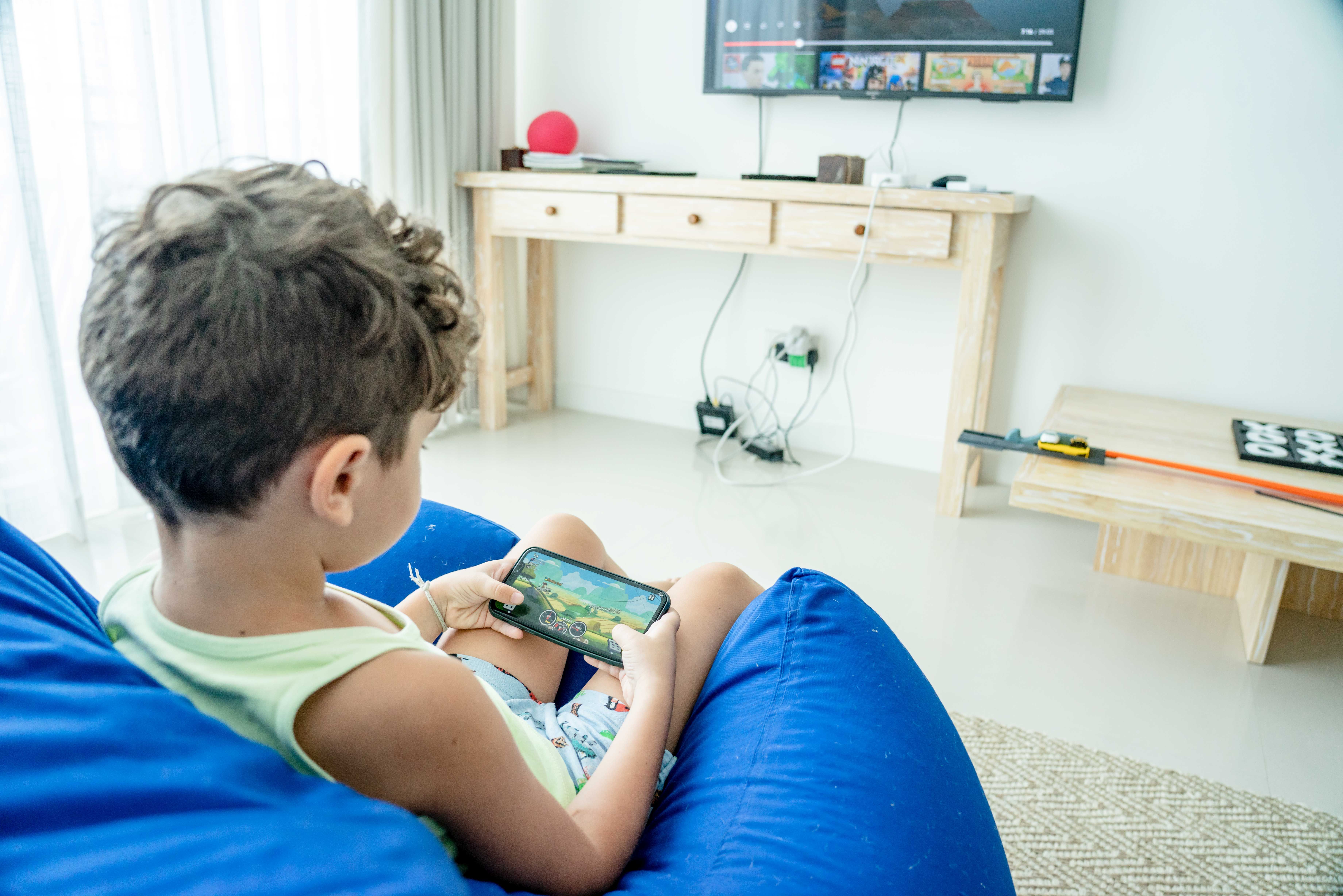
Interactive entertainment rarely competes with other screens in a clean, single-device way. People stream a show on a television, check messages on a phone, and open a game on a tablet, often in the same hour. The result is a blended pattern of attention where play is one option among many. For parents, this can make screen time harder to measure, because a child who is “just on the phone” might be solving puzzles, watching videos, or chatting with classmates inside a single app.
For adults, the same blending applies. A commute might include a casual game, a lunch break might include a social card game, and an evening might include a multiplayer session on a console. Developers have responded by designing for interruption, with progress that saves automatically and sessions that can end at any moment.
Adult audiences have also been drawn to online entertainment that goes beyond simple games. Readers exploring that space often start with independent review sites. For example, comparison-focused platforms such as Casinous make it easier to understand how different operators present their features, and you can explore those reviews at casinous.com. Reading reviews carefully and checking licensing details remains the best way to judge whether any online platform suits you.
Immersive Tech Raised the Bar
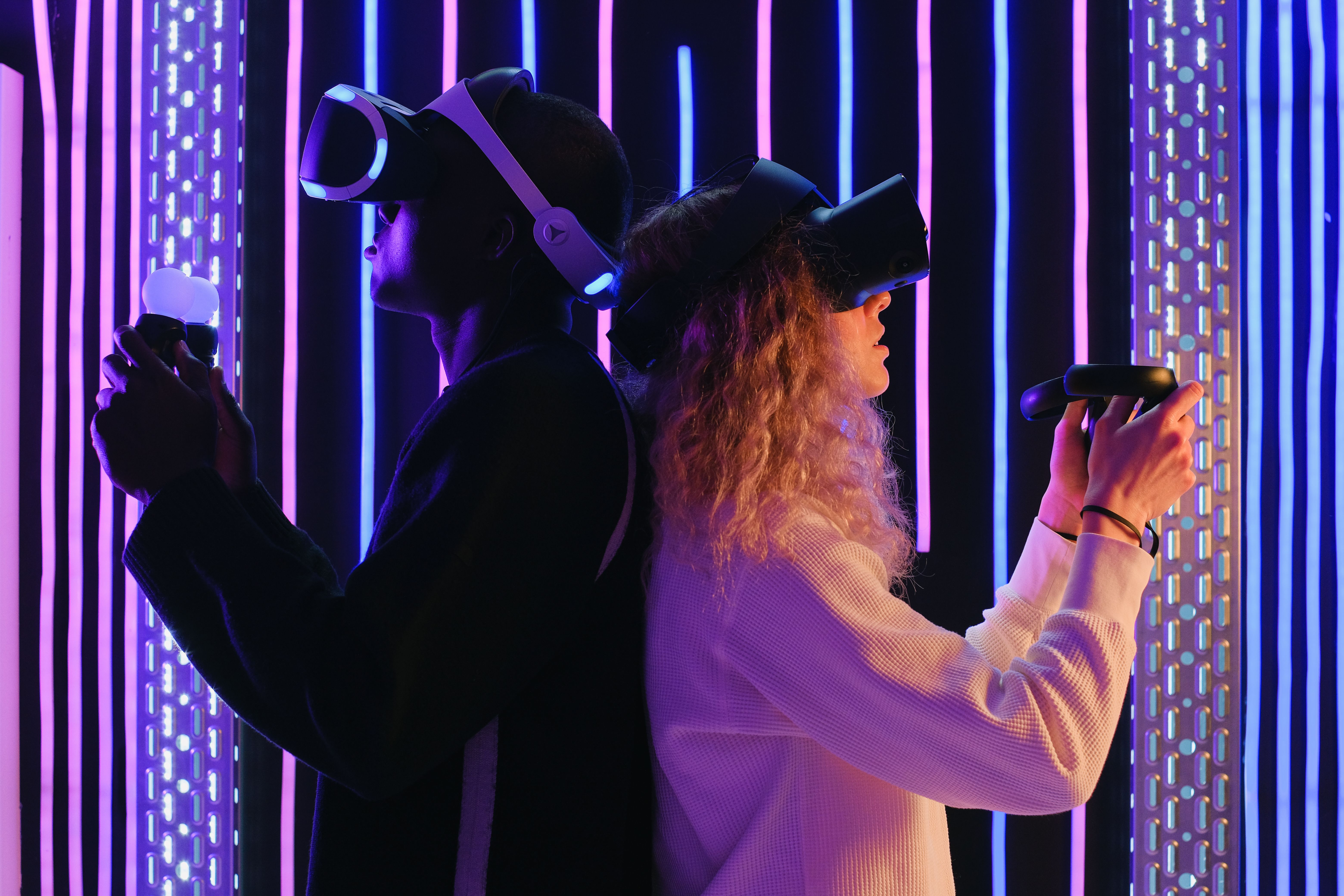
Augmented reality and virtual reality have expanded what interactive entertainment can feel like. Location-based mobile games blend a player’s physical surroundings with digital information, which turns a walk through a city into part of the game. Researchers studying these hybrid experiences have noted how they ask players to combine their own perception of the world with live data from GPS and sensors.
Headsets take this further by surrounding the player with the game world. They are still a smaller part of everyday screen time than smartphones, but they show where the medium is heading: more movement, more presence, and more blending of the digital and the physical. A large-scale analysis of mobile playtime across many countries, published in a peer-reviewed journal, also showed that play habits vary significantly from region to region, which suggests that interactive entertainment will keep adapting to local routines rather than following a single global pattern.
Controllers, Lighting and the Home Setup
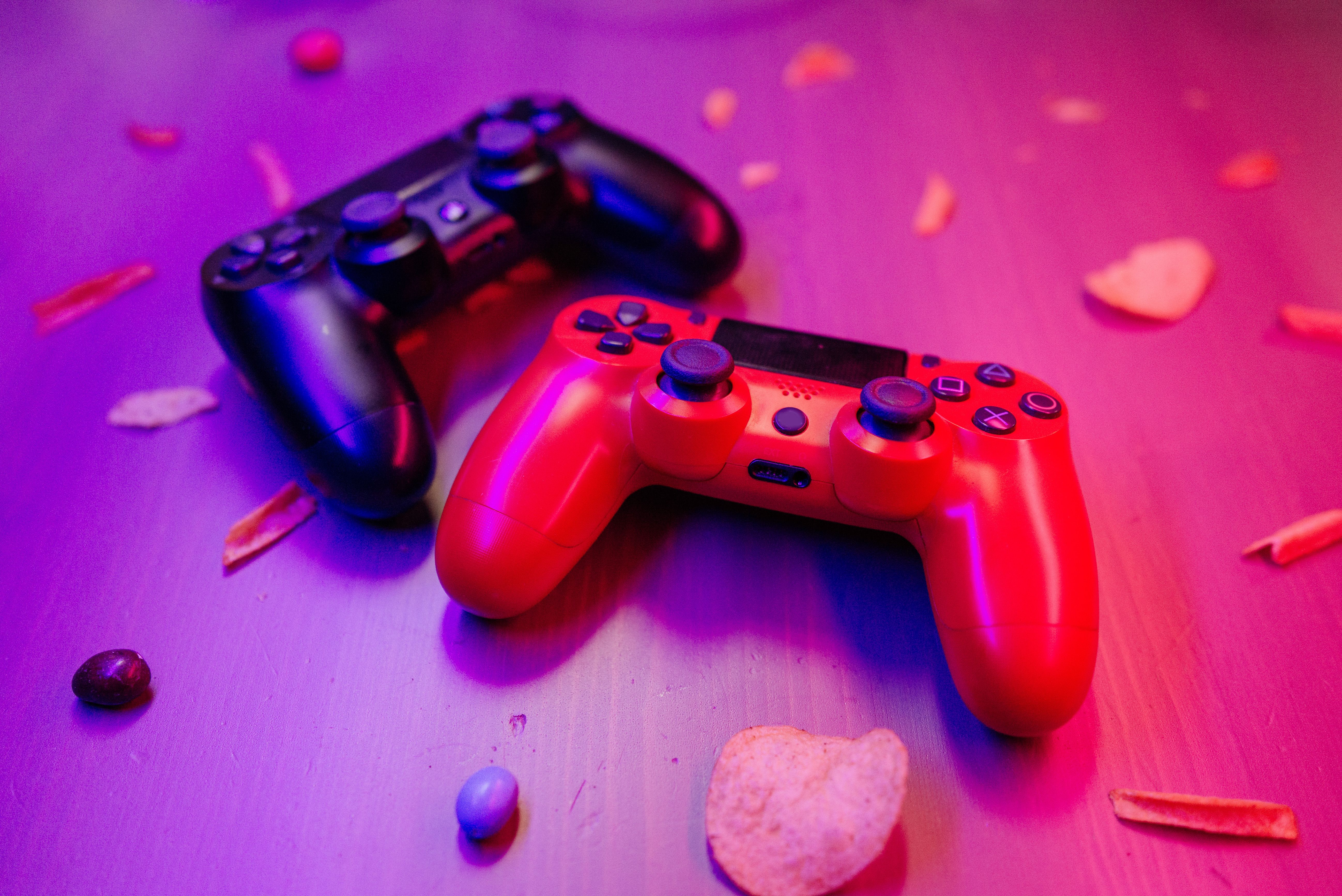
Hardware has followed the same trend. Controllers now connect wirelessly to phones, televisions, and PCs, and many people switch between devices without restarting a game. Ambient lighting, headphones, and comfortable seating have turned gaming corners into part of the home’s general décor rather than a separate basement setup. Cloud streaming adds another layer, letting a game start on one device and continue on another.
These changes make interactive entertainment feel less like a separate activity and more like a normal part of daily media use, similar to music or video. That is the real answer to how play became part of everyday screen time: it stopped asking for special equipment, special places, or special occasions.
What This Means for Everyday Screen Time
The move from dedicated consoles to pocket devices has made interactive entertainment easy to start and easy to stop. That convenience is its main strength, but it also means people benefit from a little intention. Choosing which games to keep, setting time limits that fit family routines, and turning off notifications during focused work can make screen time feel more deliberate.
Interactive entertainment is now one of the most familiar parts of digital life, and its influence will likely keep growing as devices become more capable and more connected. Understanding how it got here helps explain why a short game on a phone can feel as natural as checking the weather, and why it is worth paying attention to how that time is spent.