
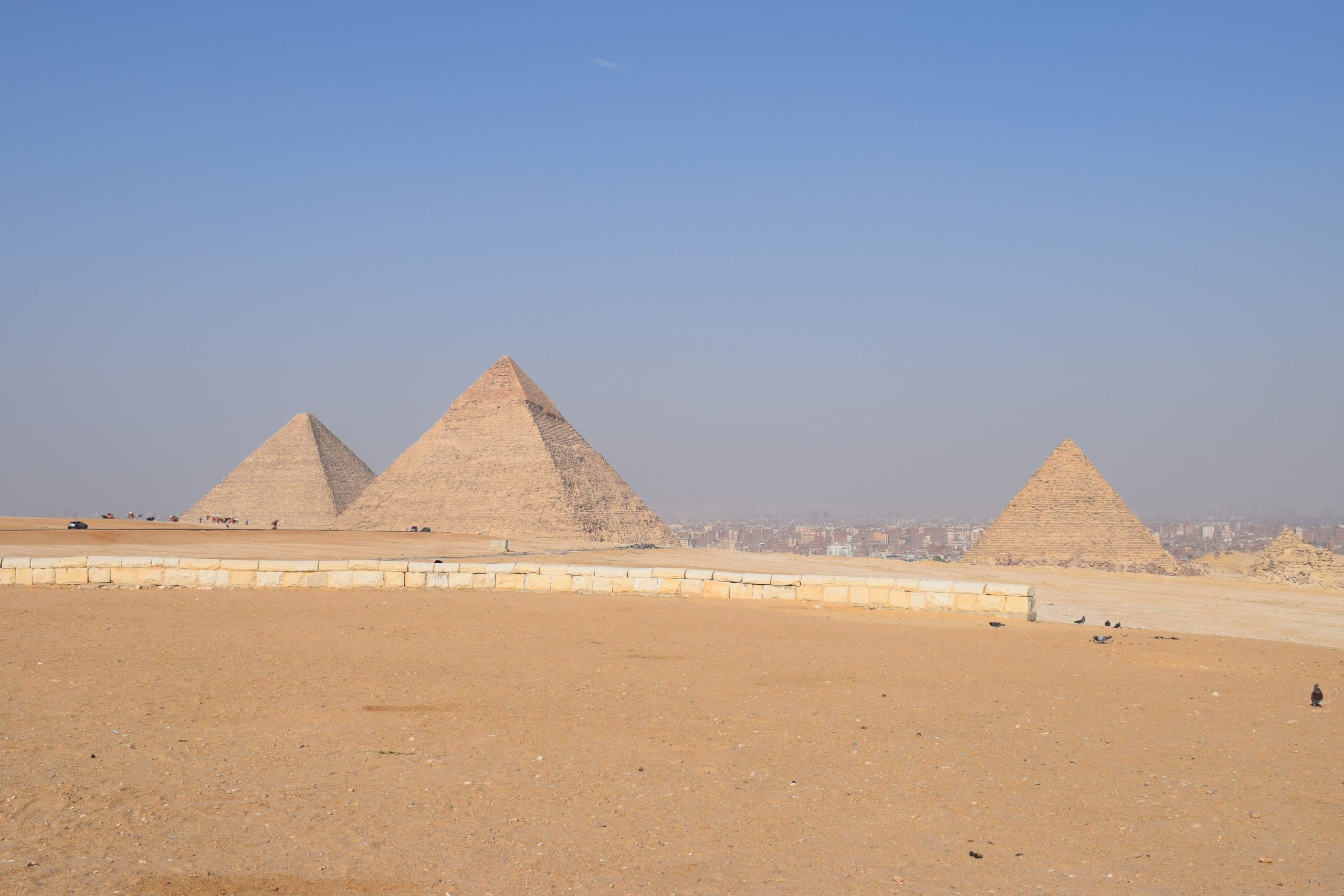
Egypt can look deceptively compact on an itinerary: Cairo, Luxor, Aswan, Abu Simbel and a Red Sea resort all fit neatly on a map. In practice, every move costs time, and the major archaeological sites are absorbing enough to deserve more than a rushed photo stop. My advice is to follow one southbound line through the Nile Valley and treat the coast as an extension, not a box to tick on the same two-week trip.
This 14-day plan gives you four nights in Cairo, three in Luxor, four aboard a Nile cruise and two in Aswan. It has a clear rhythm: arrive, explore, move, settle in. You get time for the famous sites without turning every morning into a checkout.
The route at a glance
- Days 1–4: Cairo – arrival, Giza, one museum day and a flexible day for historic Cairo or Saqqara.
- Days 5–7: Luxor – fly south, then give the East and West Banks separate days.
- Days 8–11: Nile cruise – four nights sailing from Luxor to Aswan, with the exact stops set by the operator.
- Days 12–13: Aswan – Philae, a felucca or a slow riverside day; choose Abu Simbel only if you are willing to devote time to it.
- Day 14: Depart – leave a sensible connection margin if your international flight is not from Aswan.
That is 13 nights, assuming you arrive on Day 1 and leave on Day 14. The order matters more than squeezing in another destination: book the cruise first because its sailing dates determine when you need to reach Luxor and Aswan. Egypt’s official tourism site describes Luxor–Aswan cruises as usually lasting four to five days, which fits this itinerary’s four-night sailing window.
Cairo: land gently, then choose your priorities
Day 1 is for arrival, not a monument. Check in, eat, and let the city’s scale and traffic be your only assignment. A late arrival followed by an ambitious dawn departure is a poor bargain.
Use Day 2 for the Giza Plateau and its neighboring sights. On Day 3, choose one major museum rather than trying to compare several collections in a single day. Keep Day 4 flexible: use it for historic Cairo, Saqqara, or simply to recover and adjust if a flight or sleep schedule has gone sideways. I would not schedule both Saqqara and a full old-city visit as if they were quick add-ons.
Luxor works better as two distinct days
Fly from Cairo to Luxor on Day 5, settle in, and avoid treating the transfer day as a full sightseeing day. On Day 6, focus on the East Bank: Karnak and Luxor Temple are part of the wider UNESCO-listed Ancient Thebes complex. The site’s scale is a good reason to leave time between visits rather than racing through both.
Spend Day 7 on the West Bank. Pick a manageable combination of tombs and temples, and check current access and ticket details before you go. The familiar temptation is to collect every site name; the better plan is to see fewer places with enough energy to notice them.
Let the Nile be the transfer, not another stopover
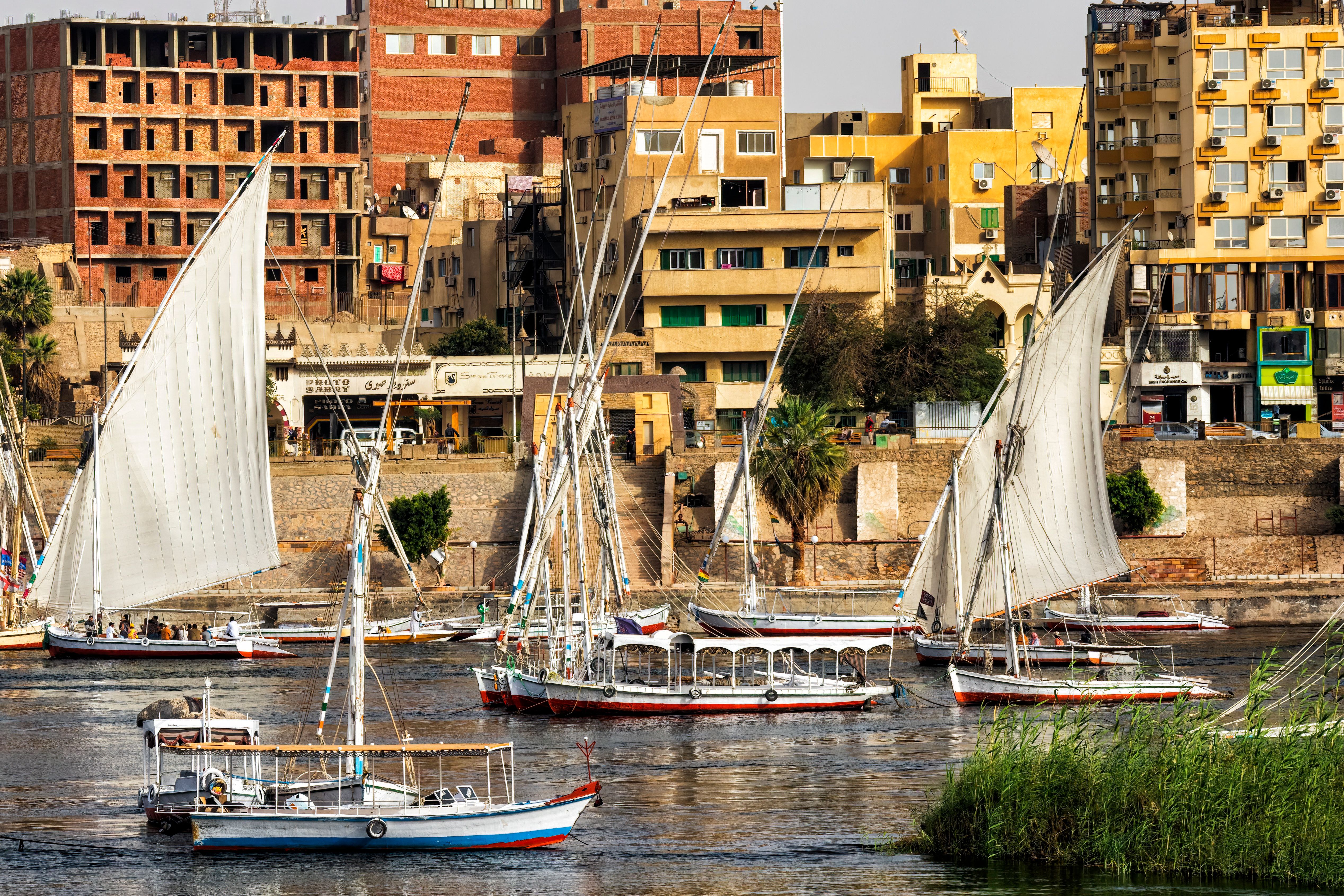
Board your boat on Day 8 and let the river carry you toward Aswan over four nights. Stops and the order of visits vary by sailing, so compare the actual itinerary rather than assuming every boat follows an identical timetable. Some travelers will prefer a smaller vessel; a Dahabiya Nile Cruise is one option to consider when comparing boat size, sailing dates and time aboard.
A cruise reduces hotel changes, but it is not automatically four days of leisure. Excursions can mean early starts, and the sailing schedule shapes the day. The useful pause is in the gaps: a quiet deck, a meal without watching the clock, and landscapes that change more slowly than the view from a road transfer. Use the operator’s published schedule to decide whether the pace suits you.
On Day 12, disembark in Aswan and keep the afternoon light. Philae is a natural choice; UNESCO includes it among the Nubian Monuments from Abu Simbel to Philae, a group of sites rescued from rising Nile waters. If Abu Simbel is a personal priority, make it the focus of Day 13 and confirm the excursion logistics before booking. If it is not, stay in Aswan: a felucca sail or an unplanned riverside afternoon is a legitimate use of a day.
What about the Red Sea?
The coast is a different kind of holiday, not a quick detour from the Nile. Snorkeling or diving can be a welcome change after several days of temples, but reaching a resort and leaving it again both take planning. If the Red Sea is important, I would extend the trip by at least several nights or deliberately remove a major section of the Nile itinerary; I would not squeeze it between Aswan and an international departure and call that a rest.

Three decisions that protect the pace
- Choose a base before choosing every sight. Fewer hotel changes mean fewer checkouts, transfers and bags to repack.
- Keep one flexible slot in Cairo and one in Aswan. Use them for rest, a missed visit or an excursion you decide is worth the time.
- Build the route around transport you have actually booked. Confirm domestic flight times and cruise embarkation details before locking in tightly connected plans. Check your government’s current Egypt travel advice before departure; the UK Foreign, Commonwealth & Development Office’s guidance is one current reference, and road conditions or local advice can affect routing.
For a first visit, the most satisfying version of Egypt is not the one with the longest list. It is the one where Cairo, Luxor and the river each feel like places you visited, rather than platforms you passed through on the way to somewhere else.
Planning note: This itinerary uses Egypt’s official tourism guidance on Nile cruise duration and UNESCO descriptions of the Thebes and Nubian monument areas. Travel advice was checked on 26 October 2026. Cruise dates, site access and transport schedules can change, so verify them against your chosen operator and current official guidance before booking.
Sources: Egypt’s official overview of Nile cruises; UNESCO’s Ancient Thebes with its Necropolis listing; UNESCO’s Nubian Monuments from Abu Simbel to Philae listing; UK FCDO Egypt travel advice.