

Modern home security comes in a variety of flavors, so to speak. One such flavor is no-contract home security. It is a product aimed at budget-conscious customers. And, as its name suggests, it’s available to customers who want home security without the multi-year commitment. Here is the million-dollar question: does it represent a worthwhile investment?
There is no black-and-white answer. Whether or not no-contract home security is worthwhile depends on a homeowner’s needs, budget, and future plans. One consumer might do extremely well with the no-contract option on the Vivint HomeProtect plan. Meanwhile, his neighbor might prefer the same HomeProtect system with a multi-year contract.
For the record, Vivint isn’t the only home security provider offering no-contract plans. There is plenty of competition, so it’s always worthwhile to shop around and compare providers.
How No-Contract Plans Tend to Work

Whether you are looking at HomeProtect or another no-contract option, such plans tend to have some common characteristics. But before we get to them, consider the fact that contracts can run from 3 to 5 years. That is 36-60 months bound to a single service provider. No-contract home security is quite different.
Here’s a brief, three-point description of how such plans tend to work:
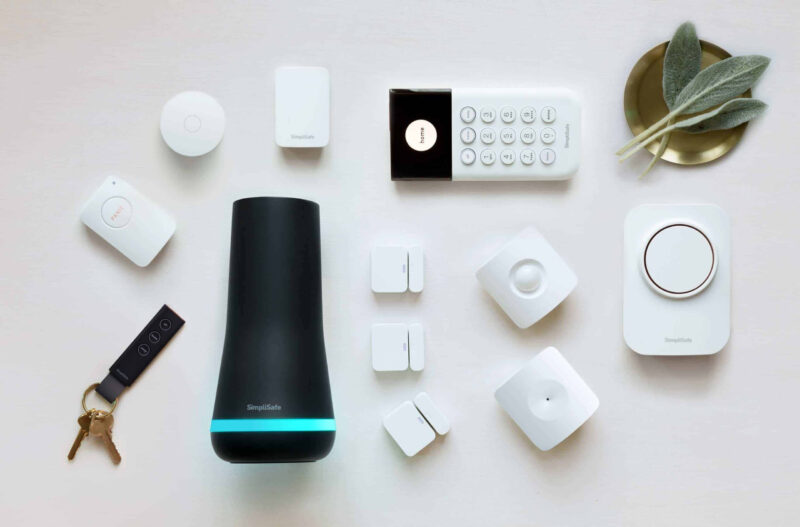
- Equipment Purchase – You purchase all the equipment upfront at full retail price. A basic package including a hub, a few entry sensors, and a motion sensor can cost a few hundred dollars. Most entry-level systems do not include a camera, though you could add one.
- Installation – No-contract home security tends to come without free installation. You either install it yourself or pay for professional service. Some companies choose not to offer DIY installation. Their systems must be professionally installed.
- Monitoring – Monitoring is where the no-contract model pays off. You pay for monitoring services month-to-month. You can cancel at any time without penalty. Month-to-month monitoring can cost a little bit more, but it’s not prohibitively expensive.
In essence, no-contract home security gives you maximum control because you are not locked into a monitoring commitment. You can also save quite a bit of money over the long term if you’re content with a basic system that allows you to add new equipment as your budget allows.
Just know that adding more equipment could increase your monthly monitoring costs and and generate new fees for cloud storage.
Why It Might Be a Worthwhile Investment
Now that we know what constitutes no-contract home security, we are back to the fundamental question of whether it represents a worthwhile investment. It might be worthwhile to you under any of the following conditions:
1. You Don’t Want to Be Locked In
Many people who choose the no-contract model appreciate high-end equipment but not the commitment that comes with a contract. They are willing to pay a bit more upfront to get a system they know they can trust, knowing that they can cancel monitoring at any time.
2. You Are Renting or Planning a Move in the Future
Despite their many benefits, home security contracts become nightmares when it’s time to move. Contracts are notoriously bad for renters. So if you’re currently renting or you are planning to sell your house and move in the near future, a no-contract system might be a better deal for you. You will be able to cancel monitoring at any time.
Because you own the equipment, you’ll also be able to pack it up and take it with you.
3. You Want a Budget-Friendly Option
It’s hard to argue against the budget benefits that a no-contract package offers. You can get a decent system at a very competitive price. For entry-level home security, this is probably the way to go. Go no-contract if you don’t have a lot of money to spend upfront.
Why It Might Not Be a Worthwhile Investment

A less expensive, no-contract option is the best choice for some homeowners. It’s not the best choice for all homeowners. No-contract home security might not be a worthwhile investment for you under one of the following circumstances:
1. You’re Looking to Build a Complete Smart Home
A typical no-contract package comes with limited equipment. Very few come with cameras, and the hubs tend to be simple keypads rather than full control centers with advanced software. So if you’re looking to build a complete smart home – including cameras and home automation equipment – an entry-level no-contract package isn’t going to work for you.
2. You Want the Flexibility to Switch
While not all home security providers push proprietary systems on their customers, some do. You might invest in a no-contract package only to discover that you cannot switch to another monitoring company later on. This is critical to understand. If there is any possibility of you switching to a new provider, check before you sign on the dotted line.
3. You Might Not Want Active Monitoring in the Future
There is always a temptation to cancel month-to-month monitoring in favor of monitoring your system yourself. Doing so is quite possible with some systems. But other systems can’t be effectively self-monitored. Once you end the month-to-month service, you lose access to the mobile app, cloud video storage, and other services.
The loss of such services essentially means that you have ‘bricked’ your home security system. It is now little more than a noise-making device. You will no longer have access through your phone. That means no alerts or live video feeds.
The Bottom Line
The bottom line here is that no-contract home security is a good option for a specific set of homeowners. It’s even the best option in some cases. But no-contract home security does come with strings. Make sure those strings work with your overall security plan. If they don’t, there are other options out there.
No-contract home security is basically intended for budget-conscious consumers who would prefer month-to-month monitoring rather than being locked into a multi-year contract. If that sounds like your cup of tea, there are a number of providers willing to compete for your business.