

A single lost data packet in a factory can lead to a missed alert, a spoiled production run, or a machine destroying itself in the early morning hours with no one to stop it. Plant managers lose sleep worrying about such issues. It rarely crosses the minds of most people.
The Real Weak Spot Nobody Talks About
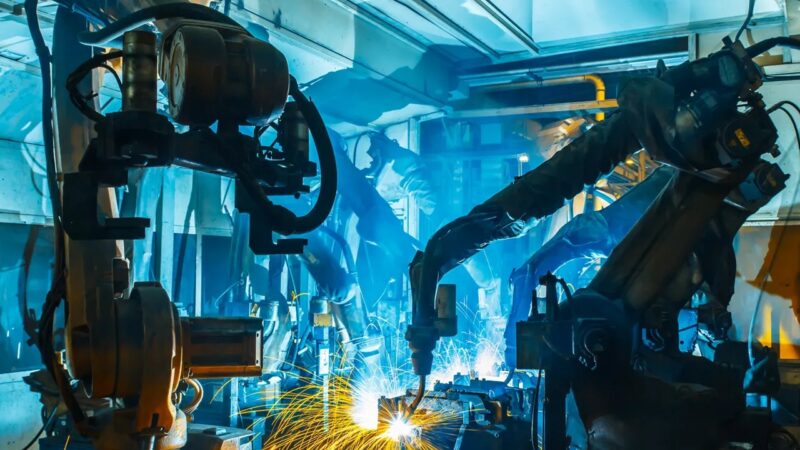
Factories got a lot smarter over the past decade. Sensors landed on just about everything. Motors, compressors, conveyor systems and cooling units. They track vibration, temperature, pressure, and humidity. All that data helps crews spot trouble early and keep lines running. But gathering data is only part of it.
Getting that data off the floor and into the right hands, fast and without gaps, is a whole different challenge. And honestly, it’s where most setups crack. Wi-Fi drops out in buildings full of metal and concrete. Running hard-wired networks through a 40-year-old facility costs a fortune. Cellular coverage inside those same walls can be hit or miss depending on the carrier and the building layout. When the signal dies, your monitoring system is just expensive decoration.
People Keep Solving the Wrong Problem First
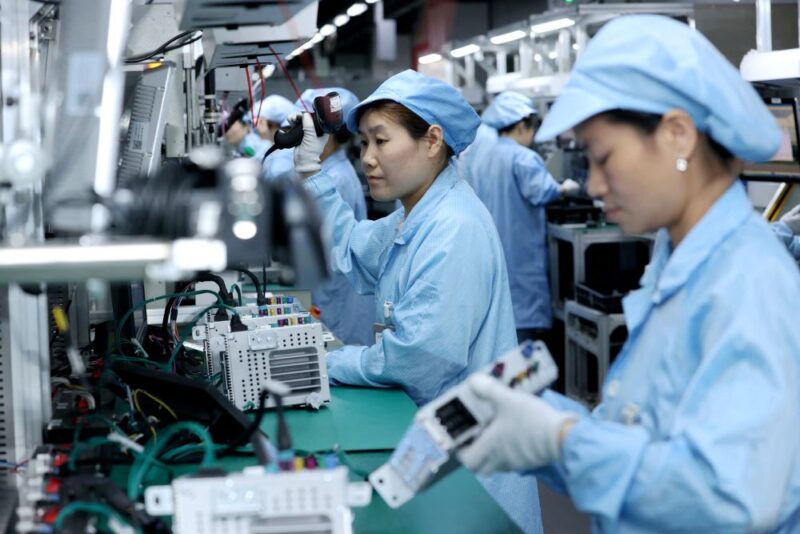
A plant team spends months evaluating sensors, comparing dashboards, and negotiating software licenses. They pour real money into analytics platforms. Then they hook everything up to a network connection that wasn’t designed for an industrial setting. It’s like buying a high-end camera and then trying to email photos over dial-up.
That link between the sensor and the cloud is the piece that holds everything together. When it’s flaky, alerts show up late or not at all. Gaps in the data wreck your trend lines. Maintenance crews stop trusting the system pretty quickly after that. What factories need is a connection that holds up in rough conditions. And it must be something a small team can set up without a six-month networking project.
Cellular Modems Are Filling the Gap
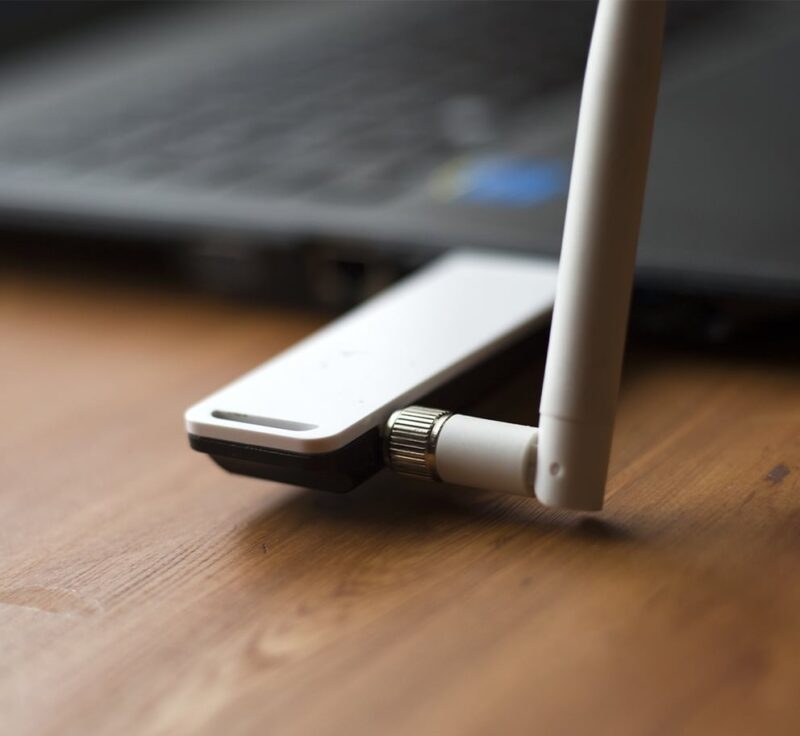
A shift that’s picking up real speed is cellular-based data transmission bolted directly onto sensor hubs. Why does this work? Cellular reaches spots Wi-Fi can’t touch. Deployment is fast, sometimes a few minutes per device. You’re not managing routers or access points or worrying about on-site network security. The overhead drops dramatically.
This approach has opened up IoT connectivity for manufacturing in a way that mid-size operations can actually afford. Blues IoT has carved out a focused niche here, stripping away the complexity that used to keep smaller plants from even attempting connected sensor networks and making cellular data transmission something a maintenance manager can deploy without calling in outside consultants.
Where This Goes From Here
The plants that gain ground over the next few years probably won’t be the ones running the flashiest automation or sitting on the biggest software budgets. The smart money is on the ones that got the fundamentals right; steady data flowing from every corner of the operation without interruption.
Predictive maintenance falls apart without consistent sensor feeds. Energy optimization means nothing if your readings have holes in them. Catching a quality defect early depends entirely on the right signal arriving at the right moment. Lose that signal and you’re reacting instead of preventing.
Conclusion
Manufacturing is heading somewhere genuinely interesting. Faster decisions, tighter operations, machines that practically manage themselves. But strip away the hype and it all rests on one mundane thing: dependable signals moving between devices and the people watching over them.
The tools to make that happen are already out there. Simpler and cheaper and tougher than most people would guess. The hard part was never collecting the data. It was always about getting it where it needed to go.