
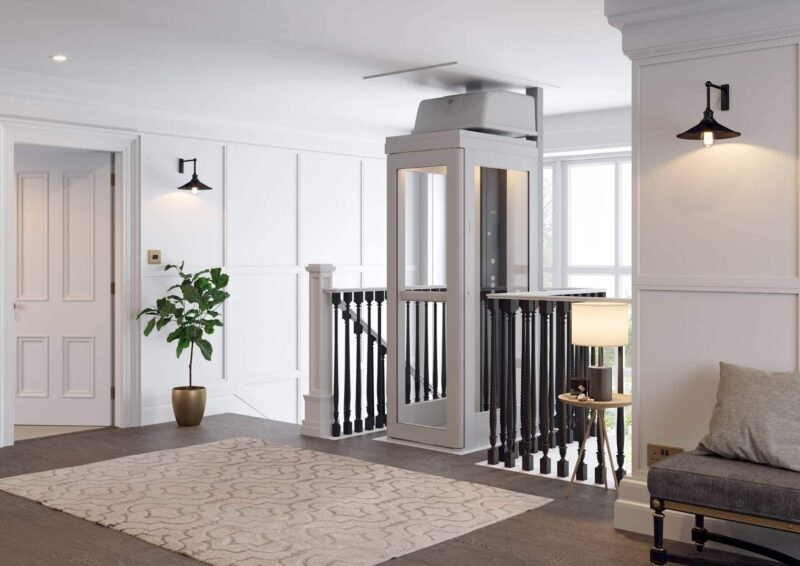
Not long ago, a home elevator felt like something reserved for grand estates, luxury penthouses, or the very wealthy. Today, that assumption is being quietly dismantled across the country. From townhouses in Chicago to split-level ranches in Phoenix, everyday American homeowners are installing residential elevators — and the reasons why are a lot more grounded than you’d expect.
This isn’t a trend driven by excess. It’s driven by practicality, foresight, and a growing recognition that the homes most of us live in weren’t designed to serve us well into old age. For a lot of people, a home elevator is simply the most sensible solution to a problem that was always coming.
The Product Has Finally Caught Up
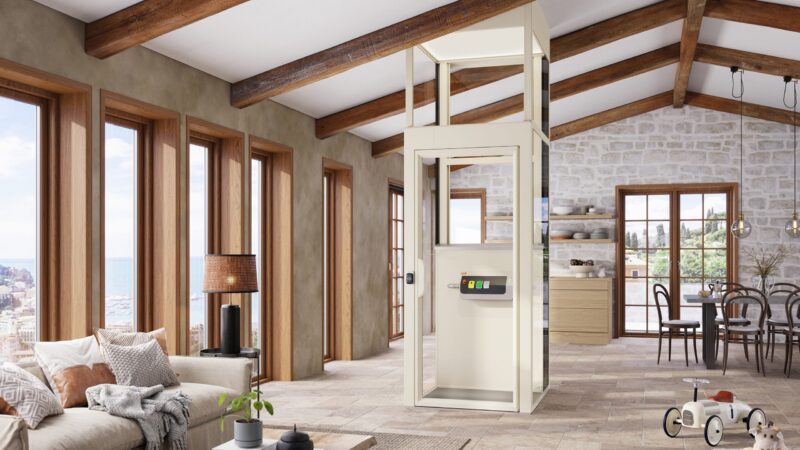
For decades, the idea of a residential elevator conjured images of massive machinery, intrusive construction projects, and price tags that put the option firmly out of reach for most families. That version of the product no longer represents what’s available.
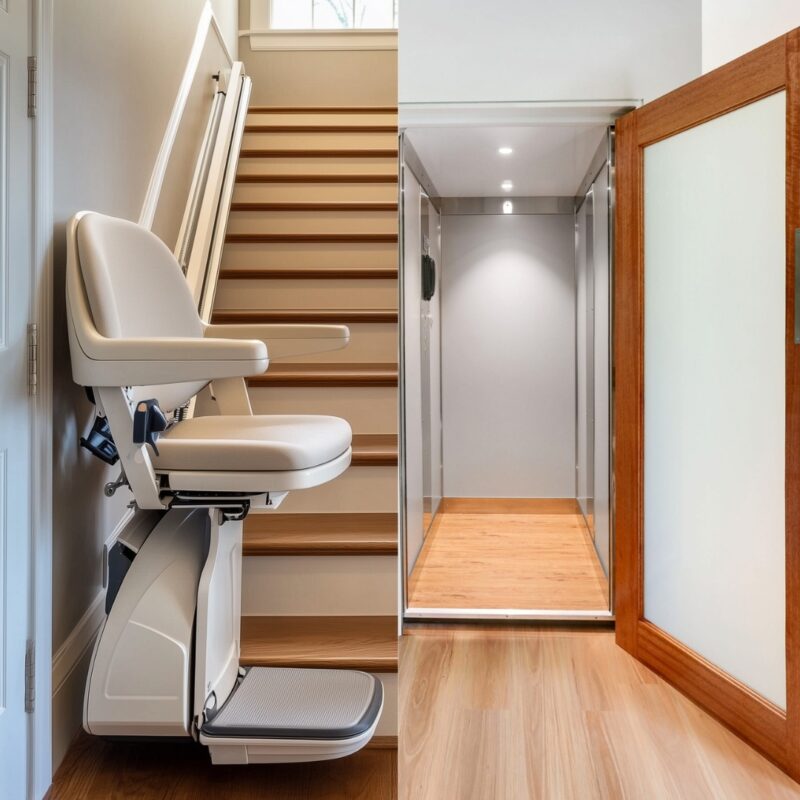
Modern home elevators — including the popular home elevator systems now widely available in the US — operate on compact twin-rail or pneumatic designs that require no pit, no machine room, and no major structural overhaul.
The footprint is typically the size of a large closet. Most installations are completed in two to three days with minimal disruption to the rest of the house. The end result looks like it belongs in a modern American home, not a hospital wing.
That aesthetic shift matters. One of the biggest psychological barriers to home adaptation has always been the fear of making your house feel institutional. When the solution is sleek, compact, and genuinely attractive, the decision becomes much easier to make.
Aging in Place Is Now a Mainstream Priority
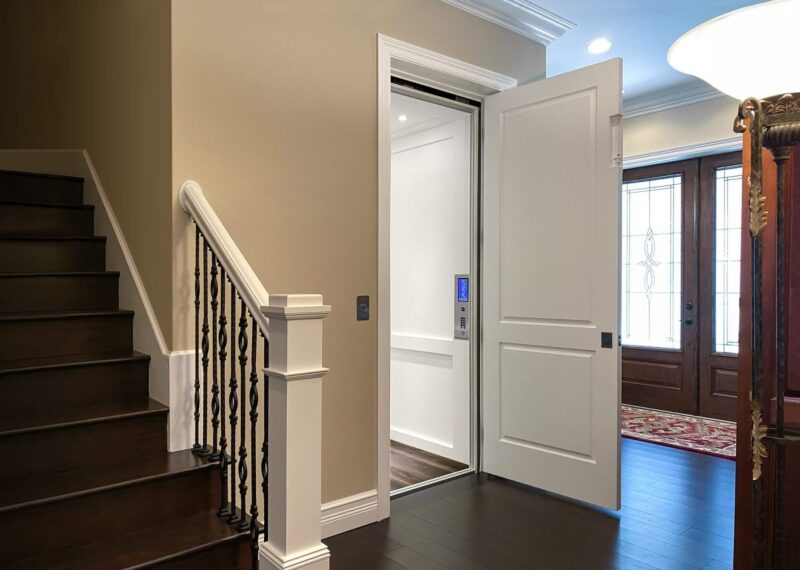
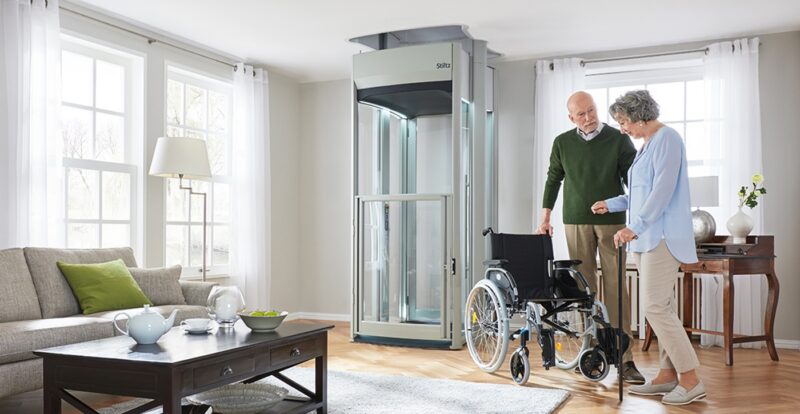
The single biggest driver behind rising demand for residential elevators is demographic. The US population is aging, and millions of Americans are making a deliberate choice to stay in their homes rather than downsize or move to assisted living facilities.
The concept of aging in place — adapting your existing home to meet your needs as you get older rather than relocating — has become one of the central concerns in housing, healthcare, and urban planning discussions.
Stairs are one of the most common physical barriers that force older adults out of their homes before they’re ready. A residential elevator removes that barrier cleanly, without requiring anyone to abandon the neighborhood, the square footage, or the life they’ve built.
But aging homeowners aren’t the only ones making this call. People recovering from knee or hip surgeries, individuals managing chronic conditions, parents hauling children and strollers between floors, and anyone who’s simply tired of carrying laundry up three flights of stairs have all discovered that a home elevator solves problems they’d spent years just tolerating. Once it’s in, most owners say the same thing: they can’t believe they waited.
What Does It Actually Cost?
This is always the first question, and the honest answer is: more than a stairlift, but considerably less than most people assume. A standard through-floor elevator in a two-story home typically falls in the $15,000 to $30,000 range in the US, depending on the type of lift, the number of floors, and the complexity of the installation. More involved projects in older homes or those requiring structural changes will run higher.
Put that figure in context, though. A ground-floor addition designed to create a bedroom and bathroom — the classic alternative for homeowners who can no longer manage stairs — routinely costs $80,000 to $150,000 or more, depending on location.
Selling and relocating in the current real estate market, factoring in agent commissions, closing costs, moving expenses, and the premium for a single-story home, can easily exceed those numbers, too.
There’s also a growing body of evidence that accessibility features increase home resale value, particularly as more buyers actively look for properties that will serve them well over the long term. A well-installed elevator in a multi-story home isn’t a red flag for future buyers — for many, it’s a selling point.
The Practical Side of Getting It Done
Most homeowners are surprised by how manageable the process is. In the majority of cases, installing a domestic elevator inside an existing home doesn’t require local zoning permits, though it’s always worth a quick check with your municipality if you live in a historic district or a community with specific HOA rules.
Building code compliance and electrical work are typically handled by the installer as part of the project. A reputable company will manage safety certifications, load requirements, and code documentation, so the homeowner isn’t navigating that alone.
The timeline from initial survey to completed installation is usually two to four weeks for a straightforward project. Surveys are generally free and non-committal — and most homeowners find that the space requirements and final costs are more workable than they assumed going in.
Is It Right for Your Home?
Not every house is a candidate, and not every household needs one. But the range of homes that can accommodate a modern elevator is much wider than most people realize. Older properties with deep closets, utility spaces, or unused corners often have exactly the footprint a lift requires. Newer open-plan homes can typically integrate a freestanding unit without disrupting the layout.
If you’re in a multi-story home and starting to think about the stairs — whether for yourself, a family member, or simply the long game — it’s worth at least having a survey done. You might find the answer is simpler than you expected.
What used to feel like an extravagance is beginning to look, for a growing number of American homeowners, like one of the smarter investments they can make. Not just for comfort today — but for the decades ahead.