

Many people turn to HBOT hoping for less swelling, faster recovery, and calmer immune responses. Others hear about it through athletes, surgeons, or clinics offering it as a cutting-edge therapy.
This guide gives you a grounded look at how HBOT works, why inflammation responds the way it does, and where science and real-world experience overlap. Think of it as a clear, oxygen-rich walkthrough with the occasional science pun to keep your neurons entertained.
How HBOT Works – Oxygen Overdrive That Supports Recovery
Before we jump into inflammation, it helps to understand the basic machinery behind hyperbaric oxygen therapy. Under normal conditions, you breathe about 21 percent oxygen, and hemoglobin transports most of it through your bloodstream.
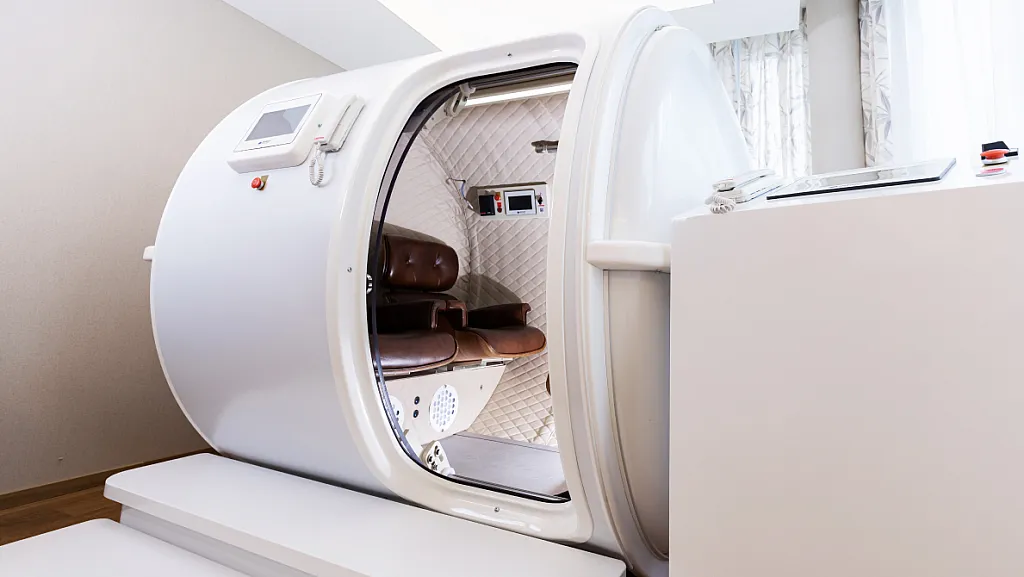
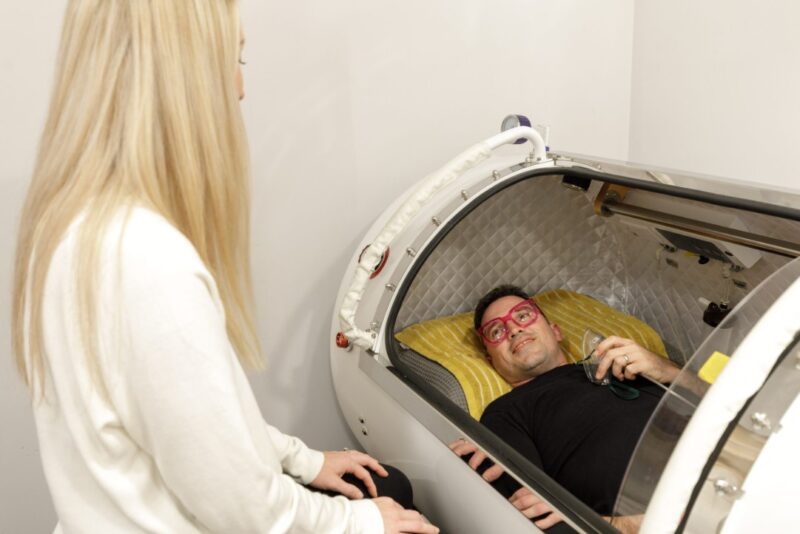
In HBOT, you breathe pure oxygen at increased pressure inside a chamber. That extra pressure dissolves more oxygen directly into your plasma, meaning even damaged or inflamed tissues with poor blood flow receive an oxygen boost.
The body reacts to this additional oxygen in several beneficial ways: improved tissue perfusion, better wound healing, and alterations in inflammatory signaling. In simple terms, HBOT acts like a backstage pass for oxygen, allowing it into areas where healing is slow or inflammation is stuck in a loop.
Scientific Evidence Behind Hyperbaric Oxygen Therapy For Inflammation Reduction
There is growing scientific interest around HBOT’s anti-inflammatory effects, though results vary depending on the condition and study design. Research on muscle injuries shows reduced swelling and faster tissue repair.
Systemic inflammatory conditions, including certain gastrointestinal disorders, have shown decreases in markers like CRP after structured HBOT sessions. Post-surgical recovery studies also indicate less muscle damage, lower swelling, and improved mobility when HBOT is added to a rehabilitation protocol.
Still, HBOT is not a universal fix for every type of inflammation. The therapy tends to work best when inflammation is tied to oxygen deprivation, damaged microcirculation, or tissue injury. For low-grade systemic inflammation without an identifiable structural issue, results can be inconsistent.
How HBOT Reduces Inflammation – The Main Mechanisms
Below is a simple table that illustrates the key physiological changes linked to inflammation reduction:
|
Mechanism |
What Happens |
Why It Matters |
| Enhanced oxygen delivery | Oxygen reaches tissues that normally don’t receive enough | Reduces hypoxia, a major driver of chronic inflammation |
| Immune cell modulation | Shifts macrophages toward anti-inflammatory behavior | Helps calm overactive immune responses |
| Oxidative stress regulation | Supports antioxidant systems that balance reactive oxygen species | Prevents additional tissue irritation |
| Improved circulation | Stimulates new blood vessel formation and better blood flow | Reduces swelling and speeds repair |
| Support for tissue regeneration | Encourages collagen, fibroblast, and cellular repair pathways | Helps resolve inflammation at its root |
Together, these mechanisms explain why HBOT is used in settings where oxygen shortage and inflammation go hand in hand. It’s not just “more oxygen” but more strategic oxygen delivered in a way your cells can actually use to heal.
Where HBOT Has Shown the Most Promise
Multiple areas of medicine use HBOT as part of structured treatment plans, especially those involving impaired circulation or tissue damage. Some of the most promising contexts for hyperbaric oxygen therapy for inflammation reduction include:
- Chronic wounds and ulcers
- Soft-tissue injuries
- Post-surgical recovery
- Tissue infections involving low oxygen supply
- Certain autoimmune-related inflammatory conditions
- Muscle trauma and contusion injuries
Each of these situations shares a common theme: the tissues cannot get enough oxygen to repair themselves properly, which prolongs inflammation.
There are services such as Hyperbaric Beverly Hills Oxygen Center, which presents HBOT as a wellness accelerator. While the branding may feel glamorous, the real value of HBOT has nothing to do with aesthetics and everything to do with physiology. The therapy tends to be most effective when there is a specific medical or structural reason for inflammation, not just general fatigue or everyday soreness.
If you choose to explore HBOT, the important factors are treatment protocols, safety standards, and proper medical oversight. A clinic offering controlled pressure settings, experienced technicians, and clear guidelines will deliver far better outcomes than a one-size-fits-all wellness package.
Risks and Limitations – A Clear-Eyed Look
Like any therapeutic intervention, HBOT has its limits and should not be seen as a miracle cure. Some of the most common issues include ear pressure discomfort, temporary vision changes, or sinus pressure. Individuals with lung disorders, unmanaged sinus issues, or specific medical conditions may not tolerate chamber pressure well.
There is also the question of expectation: HBOT can reduce inflammation when oxygen delivery is the missing link, but it does not replace medications, physical therapy, or targeted medical care when those are necessary. Think of HBOT as an adjunct therapy, not a standalone solution.
While HBOT is a medically established treatment for certain conditions, many of its newer “wellness” applications still lack long-term clinical validation. It is always wise to consult with a medical professional who understands both the benefits and the limitations.
Did you know? Some studies suggest that HBOT may also influence the balance of gut bacteria in conditions marked by chronic inflammation. This adds an interesting twist: oxygen delivered under pressure may indirectly affect immune behavior far beyond the chamber itself. It is not conclusive, but researchers consider it a promising direction.
This kind of finding shows why HBOT continues to gain attention – not as a cure-all, but as a targeted tool that may influence multiple systems involved in inflammation.
Who May Benefit and Who Should Be Cautious
|
You May Benefit From HBOT If |
You Should Be Cautious If |
| You have wounds or tissue injuries that need improved oxygenation | You have certain lung or sinus conditions |
| You are recovering from surgery and want to support healing | You are pregnant |
| Your inflammation is connected to poor circulation or hypoxic tissue | You are seeking HBOT for general wellness without medical oversight |
| You need an adjunct therapy rather than a replacement treatment | You expect immediate results without following a structured protocol |
Clarity about your health situation is essential for determining whether HBOT is suitable for your care plan.
Final Thoughts – Is HBOT Worth Considering for Inflammation?
Hyperbaric oxygen therapy presents a compelling option for inflammation reduction when used appropriately. Its value lies in its ability to increase oxygen delivery, regulate immune responses, support regeneration, and help tissues break out of stalled healing cycles. The science is promising in the right contexts, but it isn’t a universal fix for every inflammatory complaint.
If you’re considering HBOT, the best approach is a medically guided one: understand your condition, review treatment goals, and choose a reputable clinic. When applied correctly, HBOT can be a powerful ally in helping your body restore balance and reduce inflammation – a true example of science putting pressure to good use.