
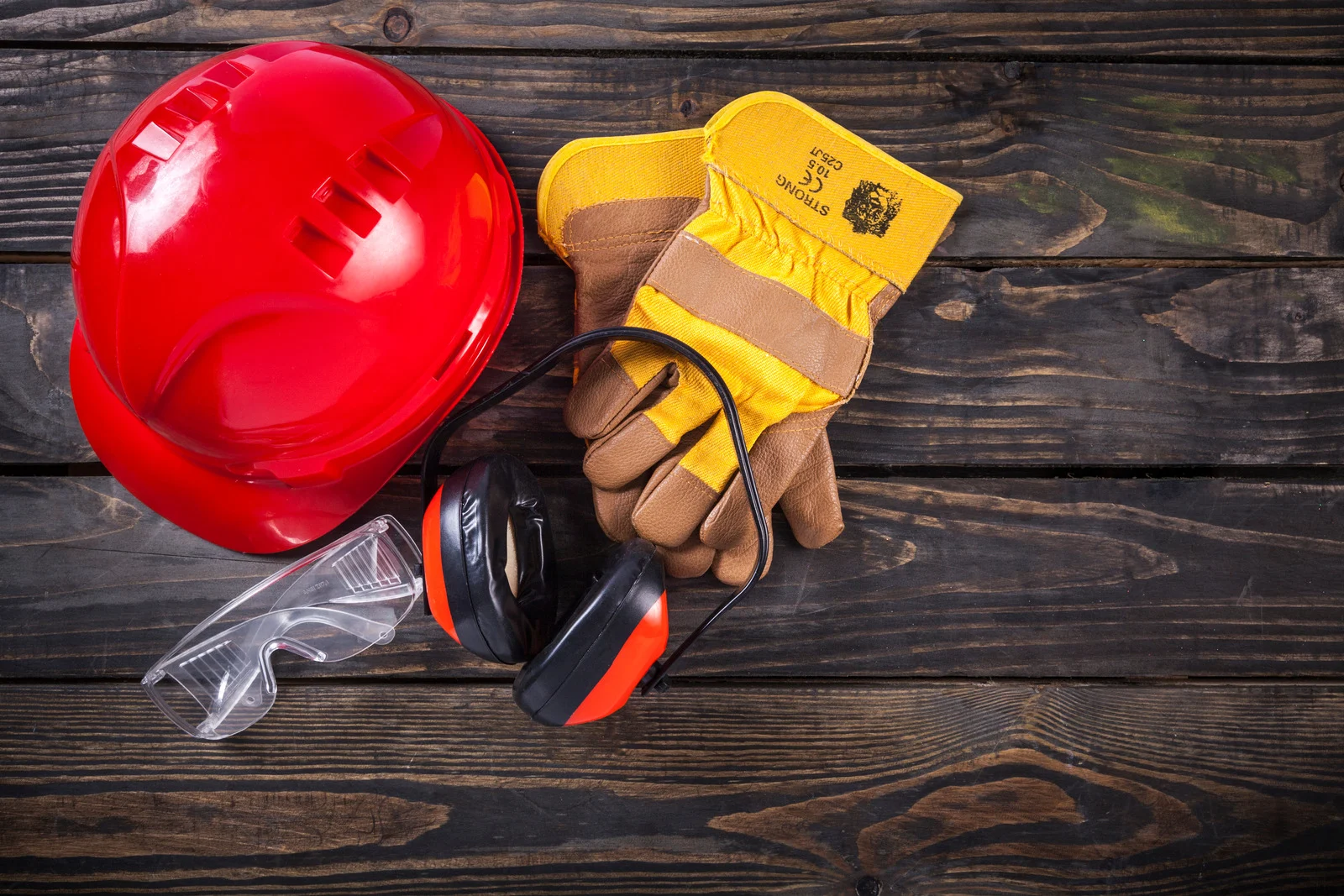
Personal protective equipment is a fundamental part of daily life for construction tradesmen, protecting them from hazards that are present on almost every job site. From heavy machinery and falling debris to dust, noise, and sharp materials, construction environments expose workers to constant risks.
Having the right protective equipment is not only a legal requirement in many cases, but also a critical factor in ensuring long-term health and safety.
Construction Work and Its Unique Risks
Construction sites are dynamic environments where conditions can change quickly. Tradesmen may be working at height one moment and operating power tools the next. Electricians, carpenters, steelworkers, and general laborers all face different hazards, yet they share a common need for protection.
Falls remain one of the leading causes of injuries in construction. In addition, workers are often exposed to flying debris, loud equipment, hazardous materials, and moving vehicles. Without proper protection, even routine tasks can result in serious injury.
Head Protection for Site Safety
Hard hats are one of the most recognizable forms of personal protective equipment on construction sites. They protect tradesmen from falling objects, accidental head bumps, and electrical hazards depending on the rating. Any tradesman working beneath scaffolding, cranes, or elevated work areas should wear a hard hat at all times.
Modern hard hats are designed with comfort in mind, offering adjustable suspension systems and ventilation. This makes them easier to wear throughout long shifts without discomfort, encouraging consistent use.
View this post on Instagram
Eye and Face Protection
Construction trades often involve cutting, drilling, grinding, or welding, all of which can send particles into the air. Safety glasses or goggles protect against dust, wood chips, metal fragments, and chemical splashes. For tasks such as welding or concrete cutting, face shields provide additional protection.
Eye injuries are often permanent, which is why protective eyewear is one of the most critical pieces of equipment for construction tradesmen.
Hand Protection for Skilled Trades
Hands are essential tools for any tradesman, and they are also highly vulnerable. Gloves protect against cuts, abrasions, burns, and chemical exposure. Different tasks require different gloves, from cut-resistant gloves for steelwork to insulated gloves for electrical work.
Choosing the right gloves ensures dexterity is maintained while reducing the risk of injury. Poorly fitted gloves can be just as dangerous as no gloves at all.
Footwear Designed for Construction Sites
Safety boots are mandatory on most construction sites. They protect tradesmen from crushing injuries, punctures, slips, and electrical hazards. Steel-toe or composite-toe boots guard against falling objects, while slip-resistant soles improve traction on uneven surfaces.
Some construction roles require additional features such as waterproofing, heat resistance, or metatarsal protection. Selecting footwear based on job-specific risks is essential.
Hearing and Respiratory Protection
Construction sites are noisy environments. Prolonged exposure to loud machinery can lead to permanent hearing damage. Earplugs or earmuffs help reduce noise levels while allowing tradesmen to remain aware of their surroundings.
Dust, silica, and fumes are also common hazards. Respiratory protection such as masks or respirators prevents long-term lung damage, particularly for tradesmen involved in demolition, concrete work, or painting.
Final Thoughts
For construction tradesmen, personal protective equipment is not optional. It is a daily necessity that reduces injuries, improves productivity, and ensures compliance with safety regulations. By using the right equipment for each task, tradesmen can focus on their work with confidence, knowing they are protected against the many risks present on site.